Newsletter November 2026
We at Fishmadman hope you enjoyed the final weeks of the salmon season.
The salmon season has now come to an end in most rivers, although the River Tweed in Scotland remains open until the end of November.
Here in the southern part of Scandinavia, the sea trout fishing is looking very promising, particularly along the east-facing coast of Zealand, Denmark, where silver sea trout are moving along the shoreline.
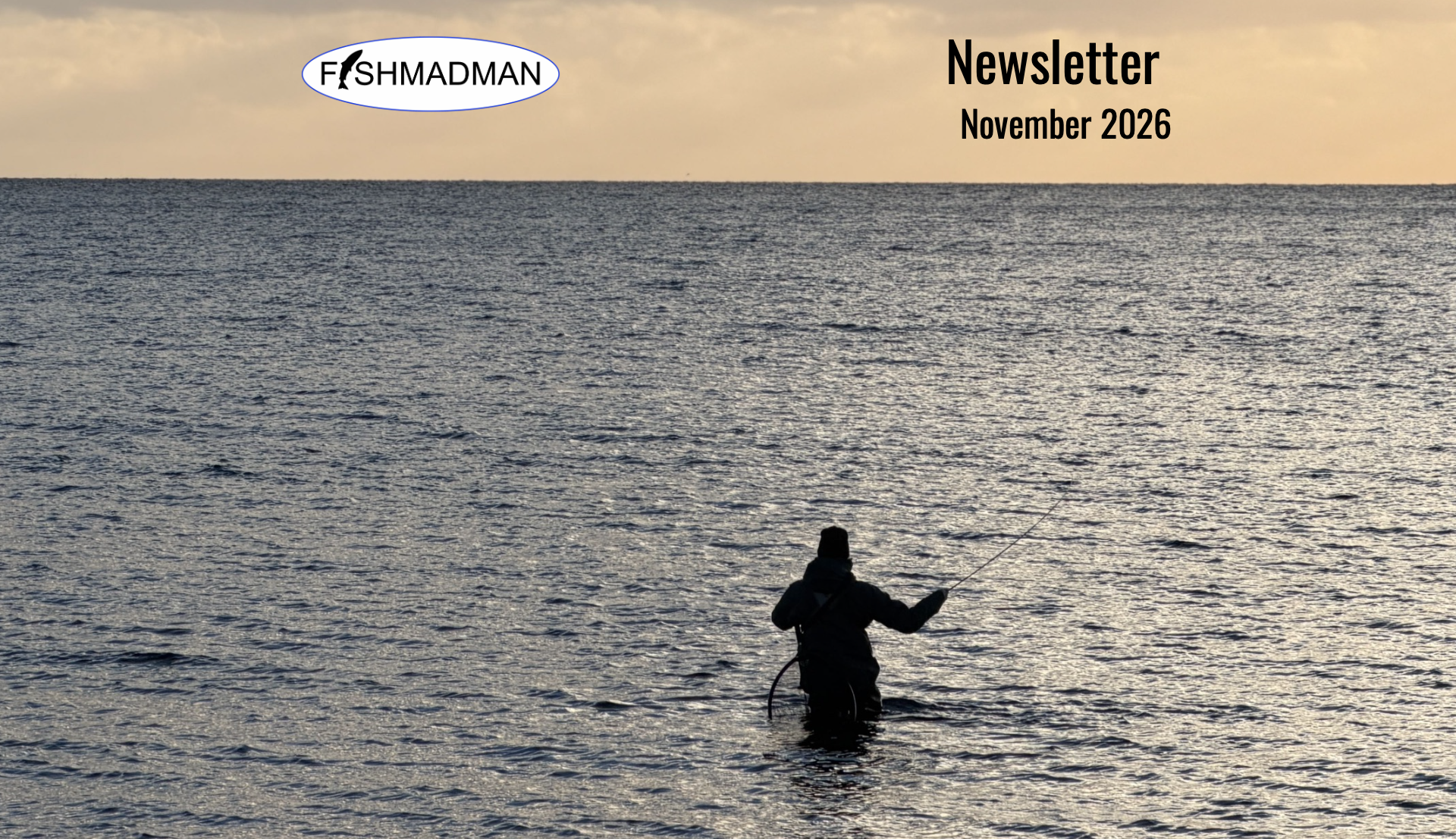
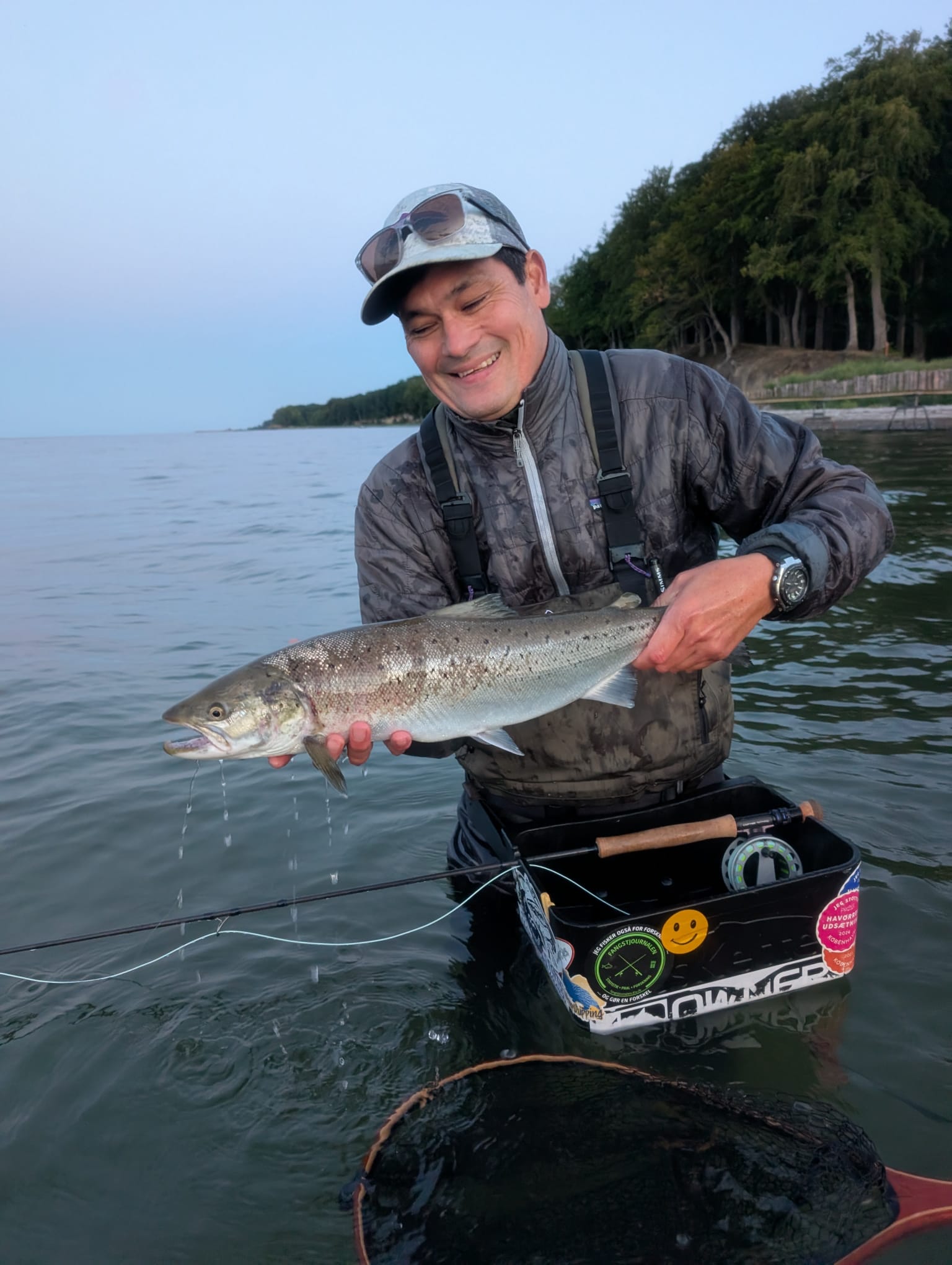
Our cover photograph was taken at one of these coastal spots on Stevns, where my colleague Per Fischer also enjoys fishing.
In this month’s newsletter, we explore different approaches to fly fishing, revisit some thoughts on long single-handed rods, and take a closer look at the relationship between salmon and their new freshwater environment in our latest blog story, From Ocean Predator to River Resident.
We also introduce the Heavy Dwarf Project, a new development initiative where we are inviting fellow salmon anglers and fly tiers to express their interest in helping bring a new generation of specialized micro tubes and ready-tied flies to life.
Per Fischer also shares some of his thoughts and practical tips on coastal sea trout fishing.
And finally, we have a special Black Week offer waiting for you in the Fishmadman shop.
We hope you will enjoy this month’s newsletter.
On behalf of Per and Las,
Jesper — Fishmadman
In This Newsletter
- Black Week – 20% OFF in the Fishmadman shop – 19 – 27 November
- Heavy Dwarf – Exploring a different perspective on nymphs in salmon fishing
- Help us bring a new range of purpose-designed tubes to life – Join our new project funding initiative
- Long single-handed fly rods – Revisiting and updating an article from ten years ago
- Winter sea trout fishing – Per Fischer shares his thoughts on fishing the coast during winter
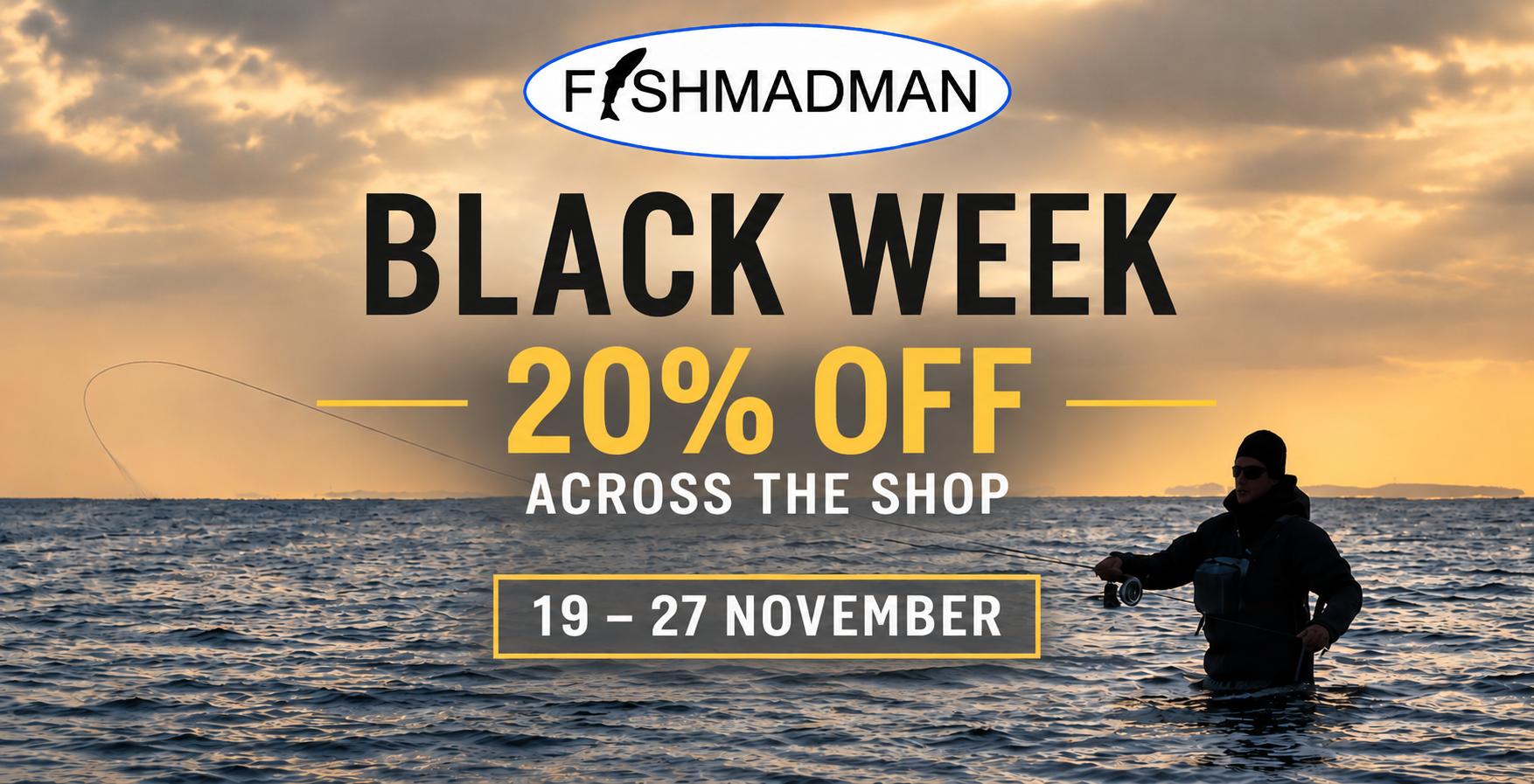
BLACK WEEK – 20% OFF EVERYTHING
We’re joining the Black Week action with 20% OFF everything in the Fishmadman shop, 19 – 27 November
That’s right – 20% off across the entire shop, giving you a great opportunity to stock up on your favourite flies, materials and fishing gear.
20% OFF – THE ENTIRE FISHMADMAN SHOP.
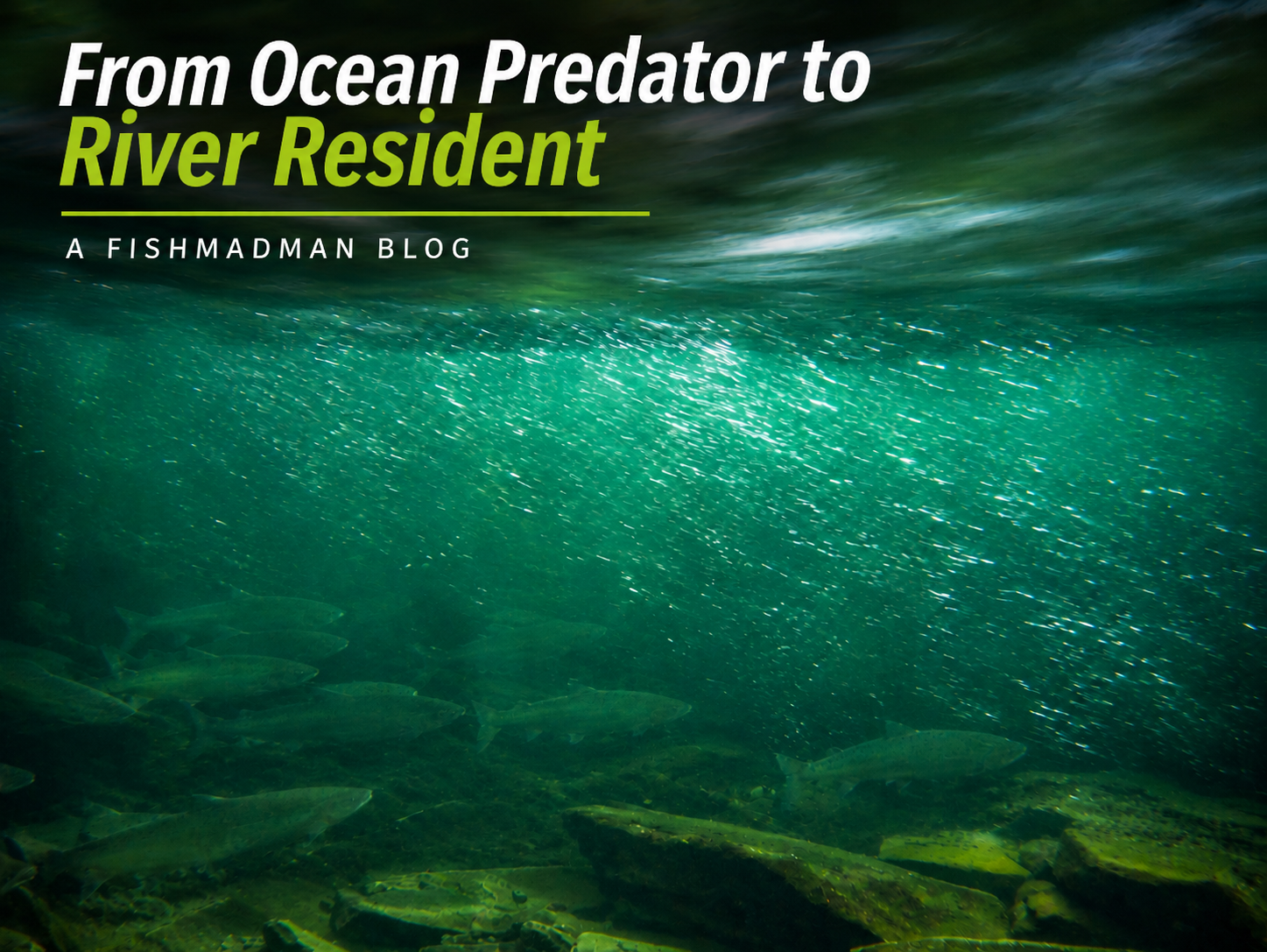
What happens when an ocean predator enters a completely different world?
When Atlantic salmon enter freshwater, they encounter a new environment filled with aquatic insects, nymphs and other life forms.
In our latest Fishmadman story, we explore this transition and introduce the Heavy Dwarf – a different approach to presenting small, weighted tube flies for salmon.
Discover the thinking behind the concept, the fishing experience and the ideas that inspired its development.
THE FLY AT THE HEART OF THE STORY
As featured in our blog story, the Heavy Dwarf is at the heart of a different approach to salmon fishing.
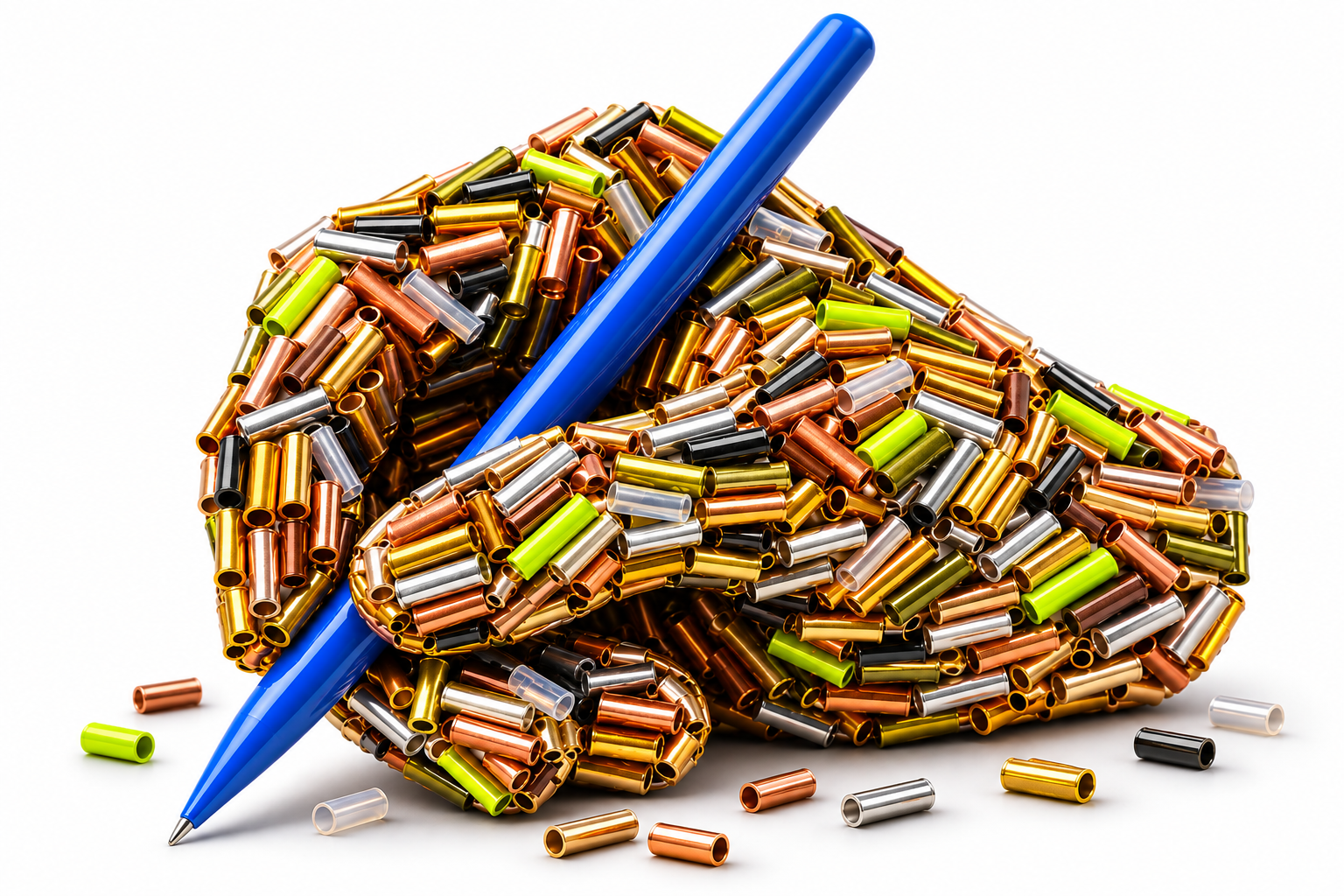
The fly itself is the starting point for everything that follows. Now, we want to take the concept further by developing a dedicated range of Heavy Dwarf micro tubes and a series of ready-tied flies – and we would like to invite fellow salmon anglers and fly tiers to be part of that journey.
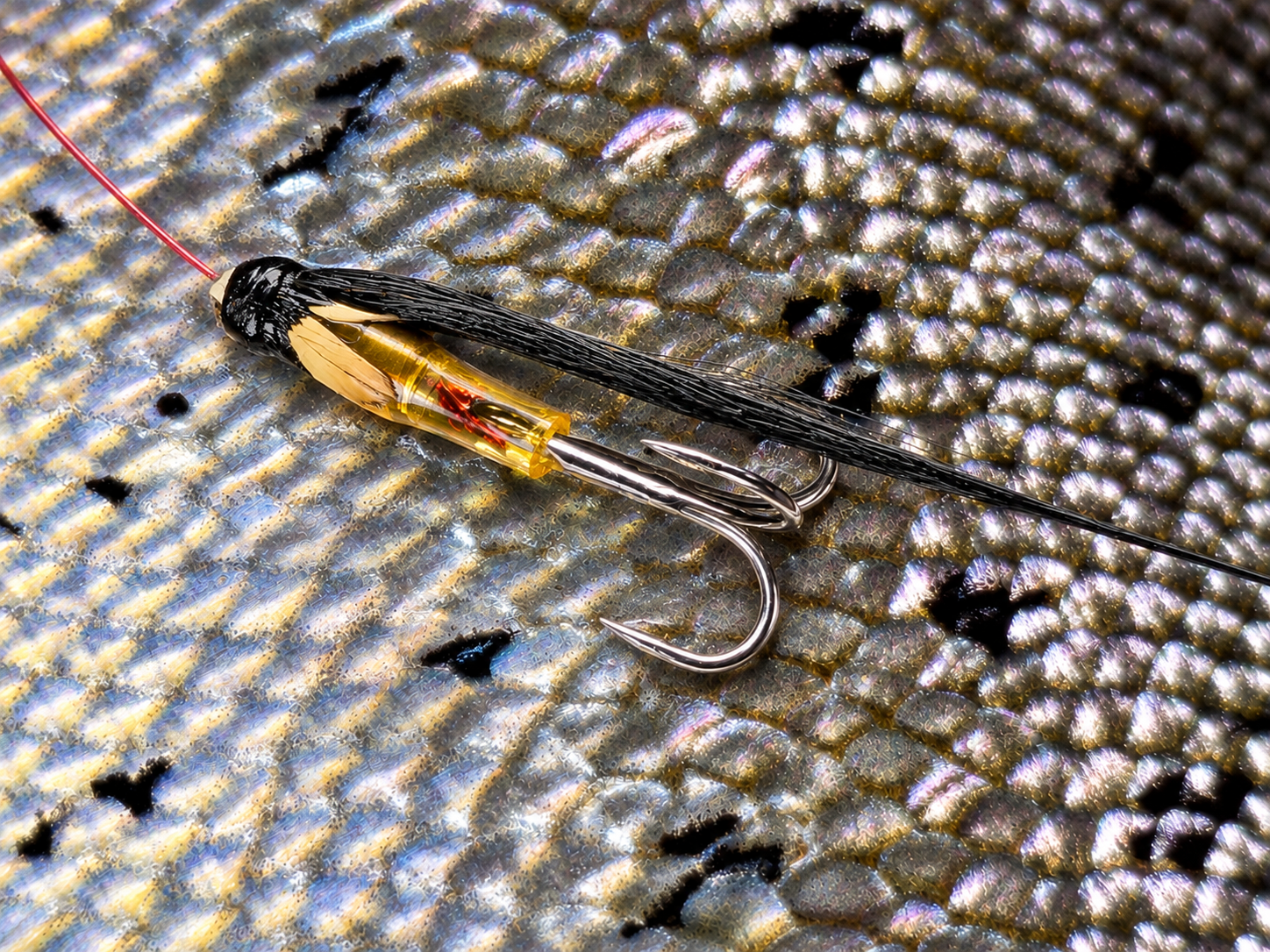
The Heavy Dwarf – The Salmon Fisher’s Nymph
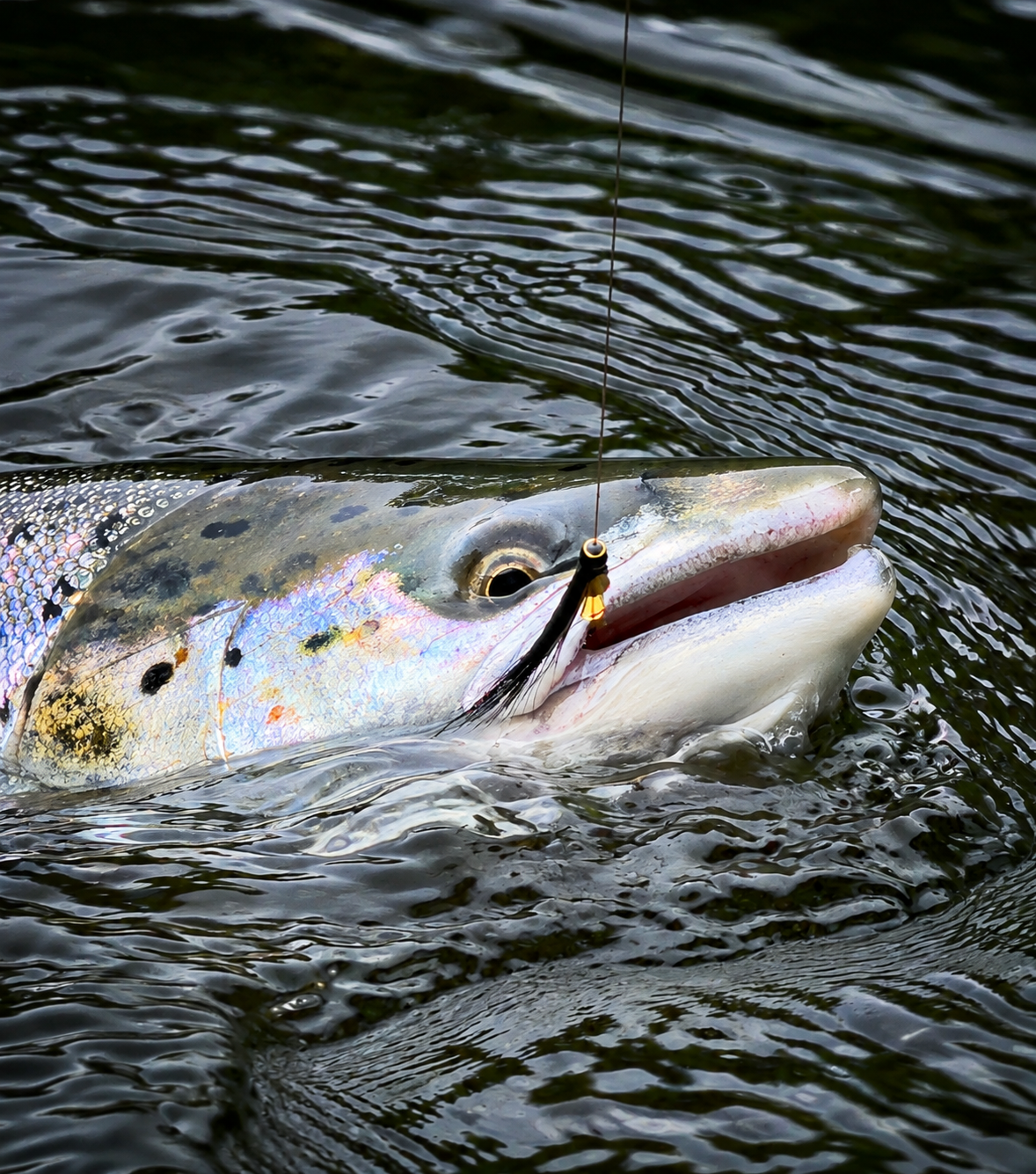
A Fishmadman Heavy Dwarf. This specialised tube fly features a precisely calibrated weight and a smooth, bare metal body without additional body dressing. Its carefully developed proportions and weight are designed to work together, allowing the fly to move freely through the water and respond to the angler’s presentation.
Developed with summer salmon fishing in mind, the Heavy Dwarf offers a distinctive way of presenting a fly through accurate placement, a short sink and a controlled rise as the line tightens.
In many ways, it is the salmon fisher’s answer to a nymph – not simply a weighted fly, but a purpose-designed tool for controlling presentation and movement in the water.
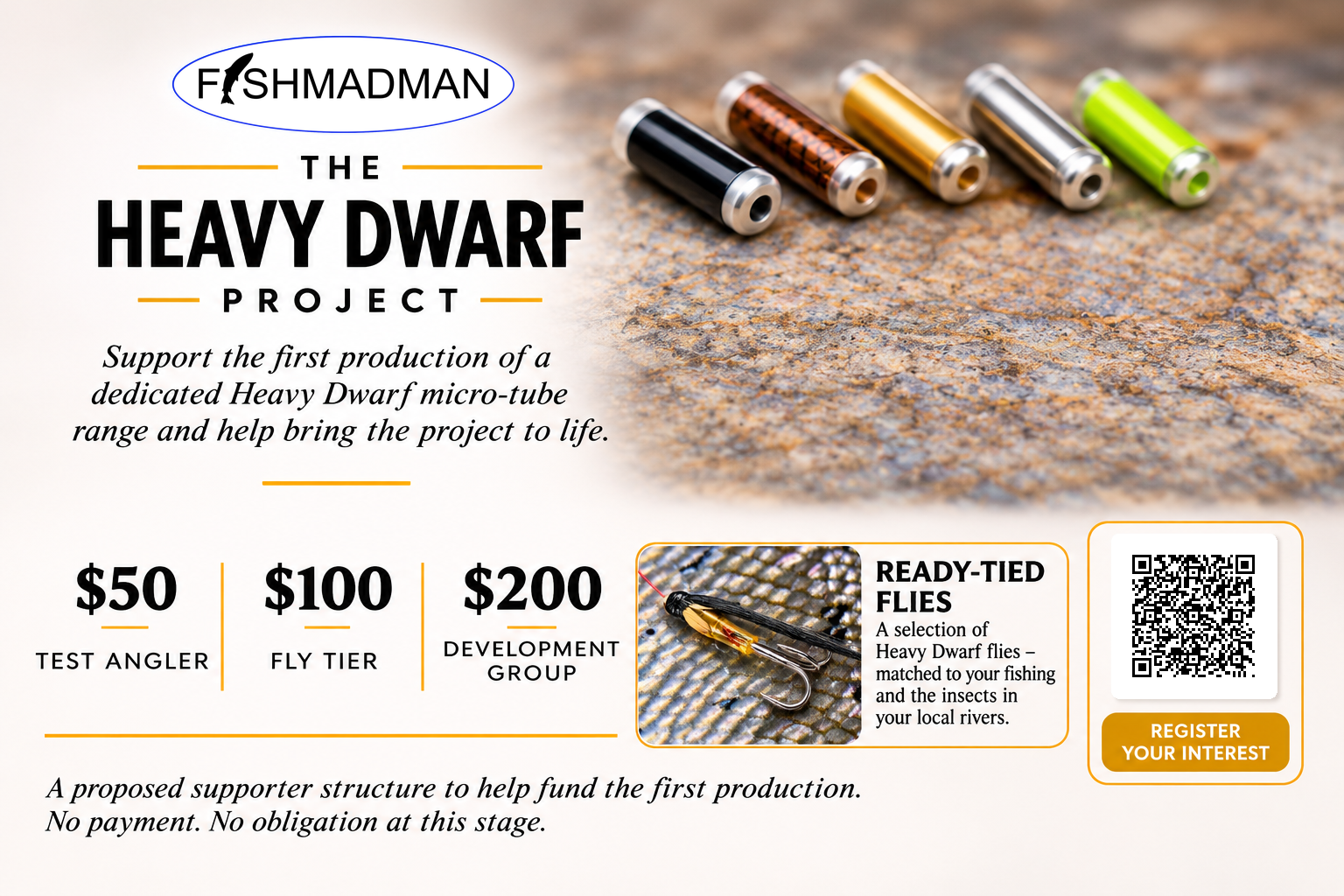
We are currently gathering expressions of interest from salmon anglers, fly tiers and others who would like to contribute to the development of the Heavy Dwarf project.
Once we have a clearer picture of the interest, we will contact everyone who has registered with further information about the different participation levels, what each will include and how to take the project forward.
Simply scan the QR code above to send us an email.
Prefer to write directly? Contact Jesper at:
Please include your name and let us know whether you are interested in testing, fly tying or joining the development group.
No payment. No commitment at this stage. Just an opportunity to be part of something new.
NEWTON – Longer Rods, Longer Casts and Gravity
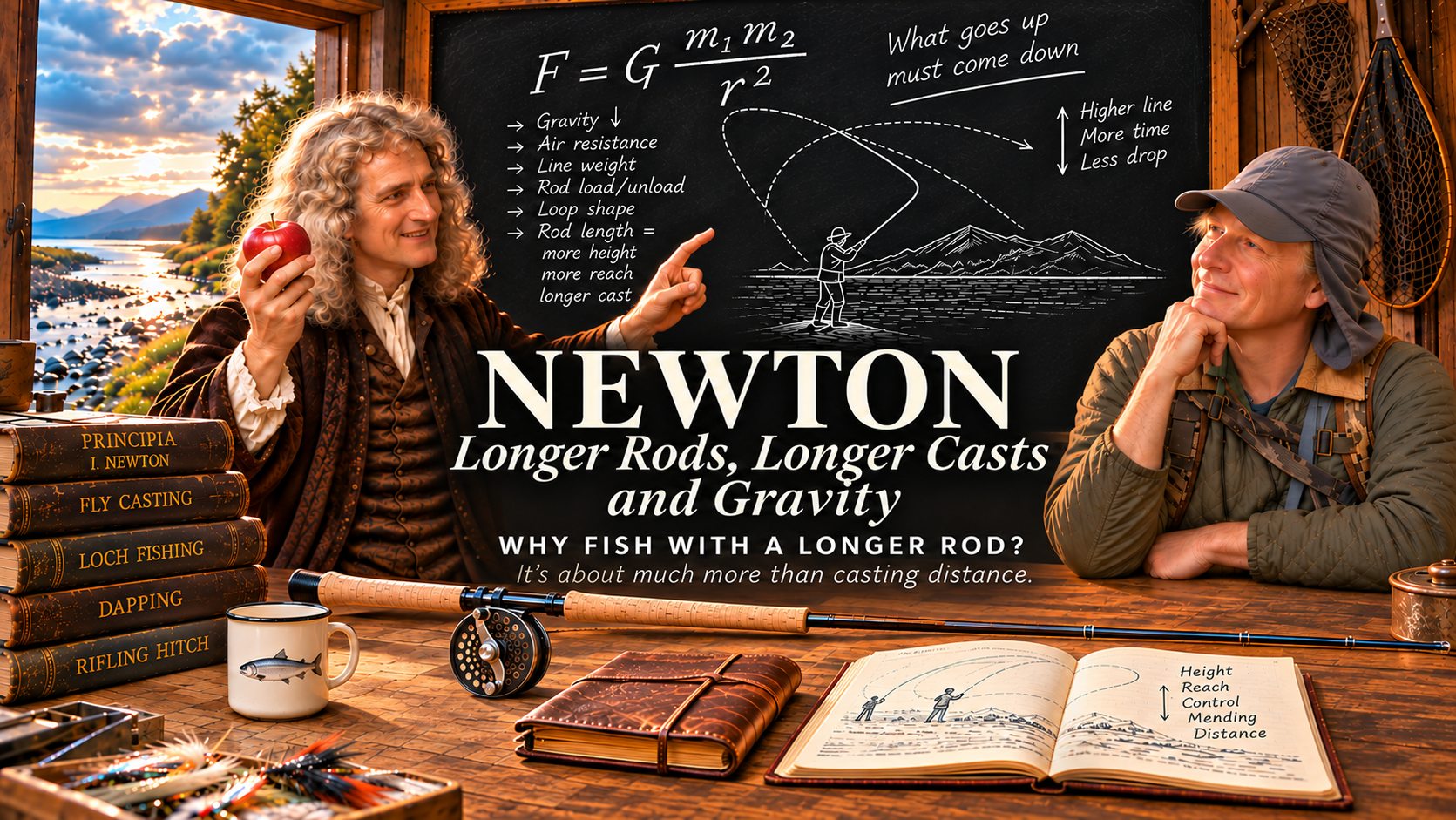
Why fish with a longer rod? It is about much more than casting distance.
I’ve been fly casting for 53 years – and I’m still fascinated by the perfect long cast. But over the years, I’ve come to appreciate something else about longer rods: the extra height, reach and control they give you when fishing.
In this article, I revisit some thoughts I first put down in December 2016, exploring the role of gravity, the advantages of long single-handed rods and the British and Irish traditions of loch fishing and dapping.
I also share some practical thoughts on casting technique – including why I use my forearm rather than relying on the wrist when lifting a longer rod.
Because a longer rod is not simply about casting further. It is about having more control over the whole fishing situation.
And, of course, there is one thing we can never escape:
Newton always wins.
Winter Sea Trout – Slow Down, Fish Deeper & Find the Silver
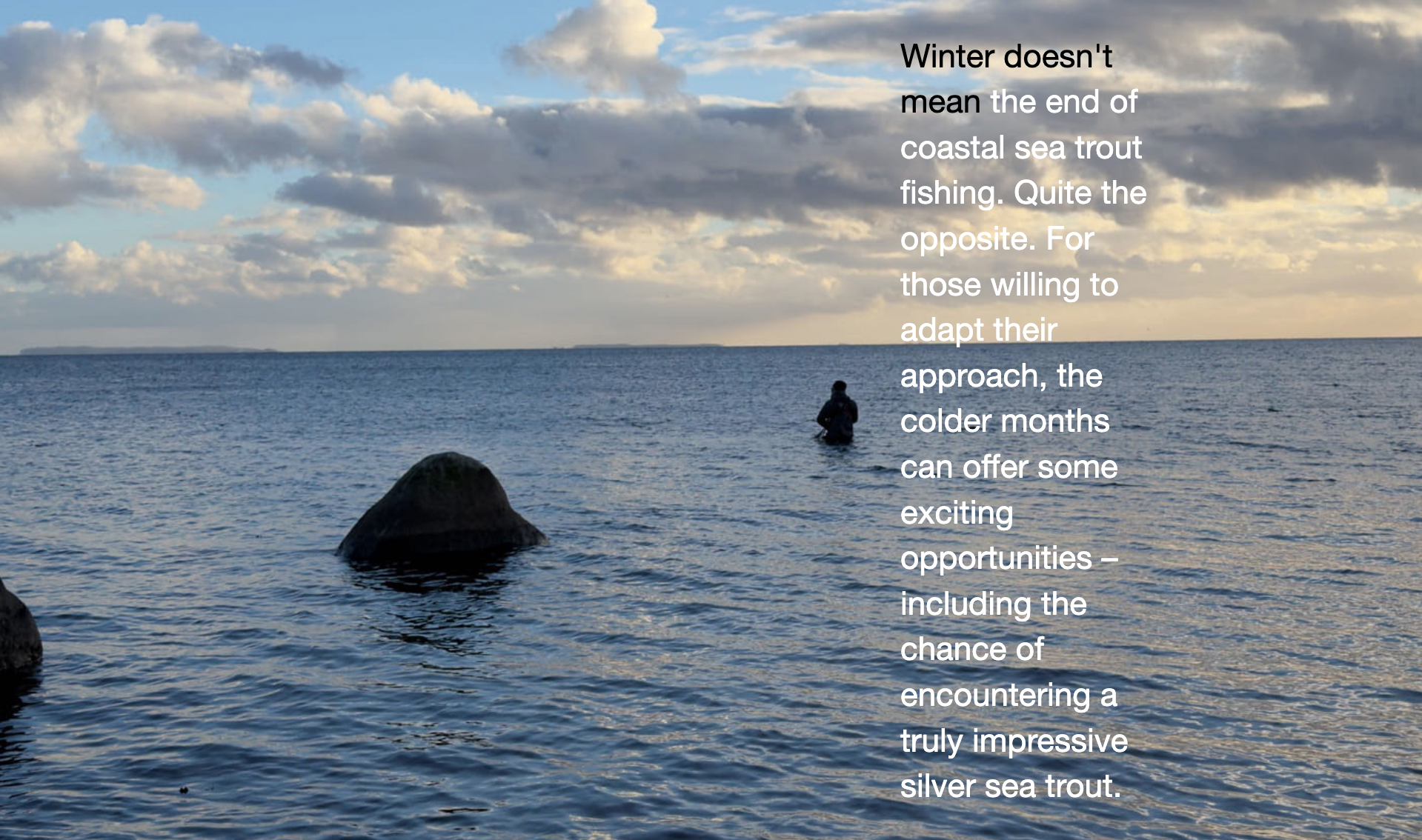
I asked my Fishmadman colleague Per Fischer, a dedicated and highly experienced sea trout angler, to share some of his thoughts and practical tips on approaching winter sea trout fishing along the coast. In the following text Per will share some of his hot tips for cold water fishing
1. Finding the right water
When the water gets cold, sea trout often seek out areas with lower salinity. These conditions can make life easier for the fish, and certain coastal areas become particularly interesting during the winter months.
Here are a few places worth exploring:
- Freshwater outlets: Look for stretches of coastline where small streams, brooks and drainage outlets enter the sea. Always remember to respect local conservation zones and fishing restrictions.
- Fjords and sheltered bays: The inner parts of fjords can offer lower salinity and, on sunny days, slightly warmer water than the exposed coast.
- The Baltic coastline: The coasts around Stevns, Møn, Falster and Bornholm are particularly interesting, as are parts of the southern Swedish coastline when the fishing season opens on January 1.
- A little variation in water temperature, salinity and shelter can make a surprising difference. Don’t be afraid to move around and explore.
2. Slow down and fish deeper
- One of the most important adjustments during winter is your retrieve.
- Cold-water sea trout are often less willing to chase fast-moving prey. Instead of retrieving at your usual spring or autumn pace, try slowing everything down.
- Retrieve: Use short, gentle strips followed by longer pauses. Give the fly time to sink and suspend naturally between retrieves.
- Intermediate polyleaders: A floating shooting head combined with an intermediate polyleader is a versatile setup for getting your fly beneath the surface.
- Fly lines: A slow intermediate shooting head is another good option when you want to keep your fly working in the lower part of the water column.
- The idea is simple: present the fly where the fish are likely to be, without asking them to spend unnecessary energy chasing it.
3. Fly selection – Small imitations or a flash of pink?
Winter is a good time to rethink your fly selection. Per suggests approaching it with two different strategies.
Small, natural imitations
Small crustaceans and amphipods are important food sources for coastal sea trout during the colder months. This is a good time to scale down your flies and fish natural-looking patterns.
Classic patterns such as the Kobberbassen and small Gammarus imitations are excellent choices when fishing slowly and close to the bottom.
Pink flies – Sometimes a little provocation is needed
There are days when a natural imitation is exactly what the fish want. On other days, something much more conspicuous can make the difference.
Pink has a long history of producing sea trout during the winter months. When the fish are reluctant to feed, a bright colour can sometimes provide the visual stimulus needed to trigger a response.
One pattern worth mentioning is the Pink Candy Shot, originally developed by Jimmi Haurholm from Sport Dres in Copenhagen. It’s a great example of how a simple idea can become a very effective coastal fly.
Get out there
Winter fishing isn’t always easy, and that’s part of its appeal. You may have to work harder to find the fish, adjust your presentation and experiment with different flies.
But the reward can be a beautiful, bright sea trout in cold winter water – and sometimes that’s all the encouragement you need to get back out there.
As Per would remind us: find the right water, slow things down and don’t be afraid to experiment.
See you on the coast!
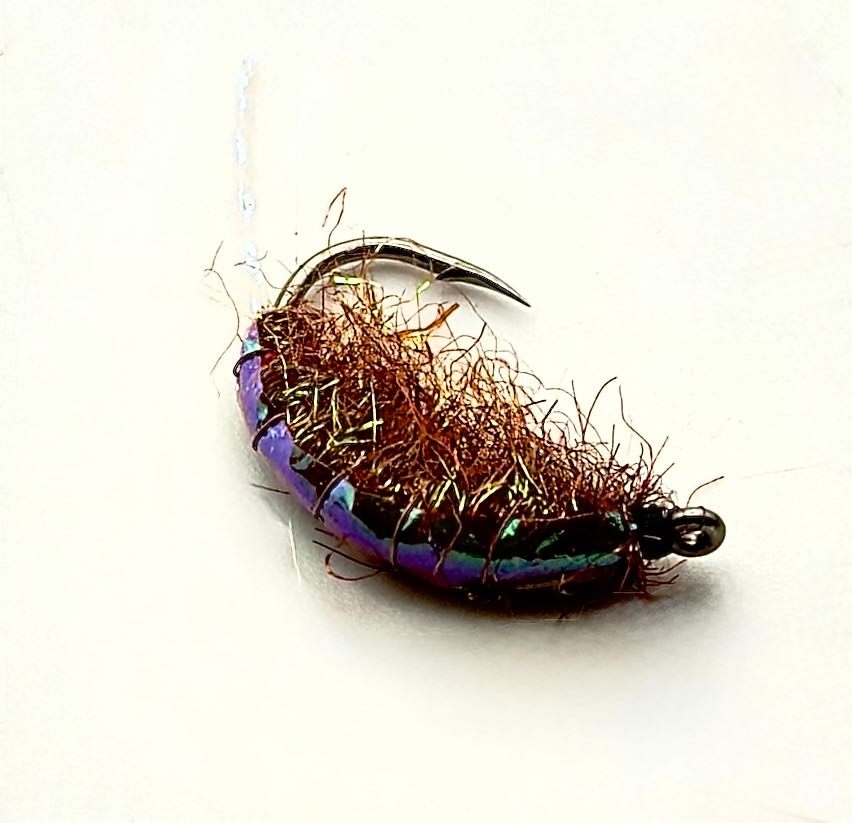
Gammarus Rygskjold #8 is a highly realistic gammarus imitation designed to mimic one of the most important food sources for sea trout and trout. An essential pattern for Scandinavian coastal fishing, freshwater trout, and even Tierra del Fuego sea-run brown trout.
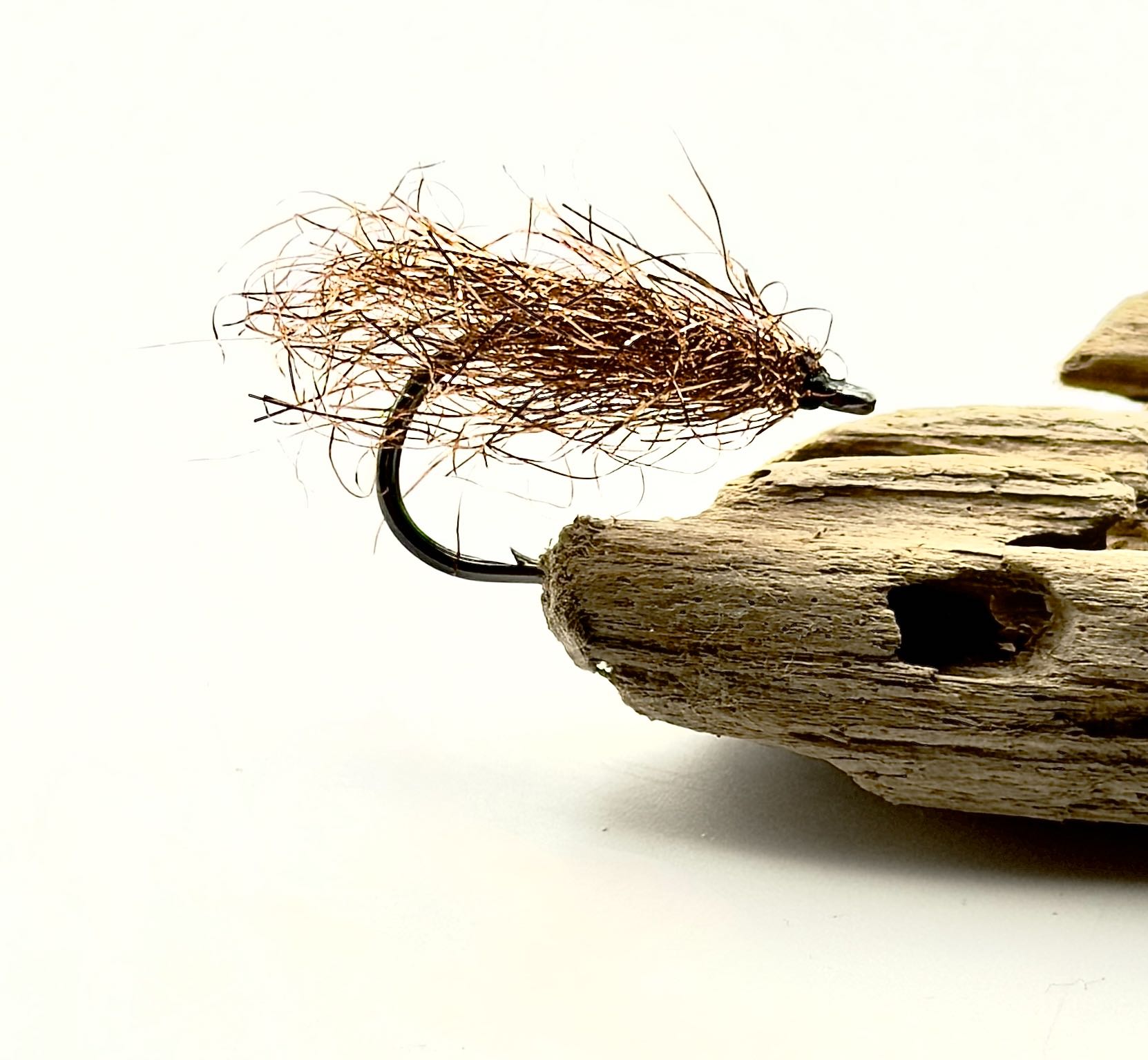
Kobberbassen #6 is the largest version of the famous Danish classic created by Frank Jensen. Combining a simple profile, natural movement, and a strong, wide-gap hook, it is a proven sea trout fly for coastal waters around the world.
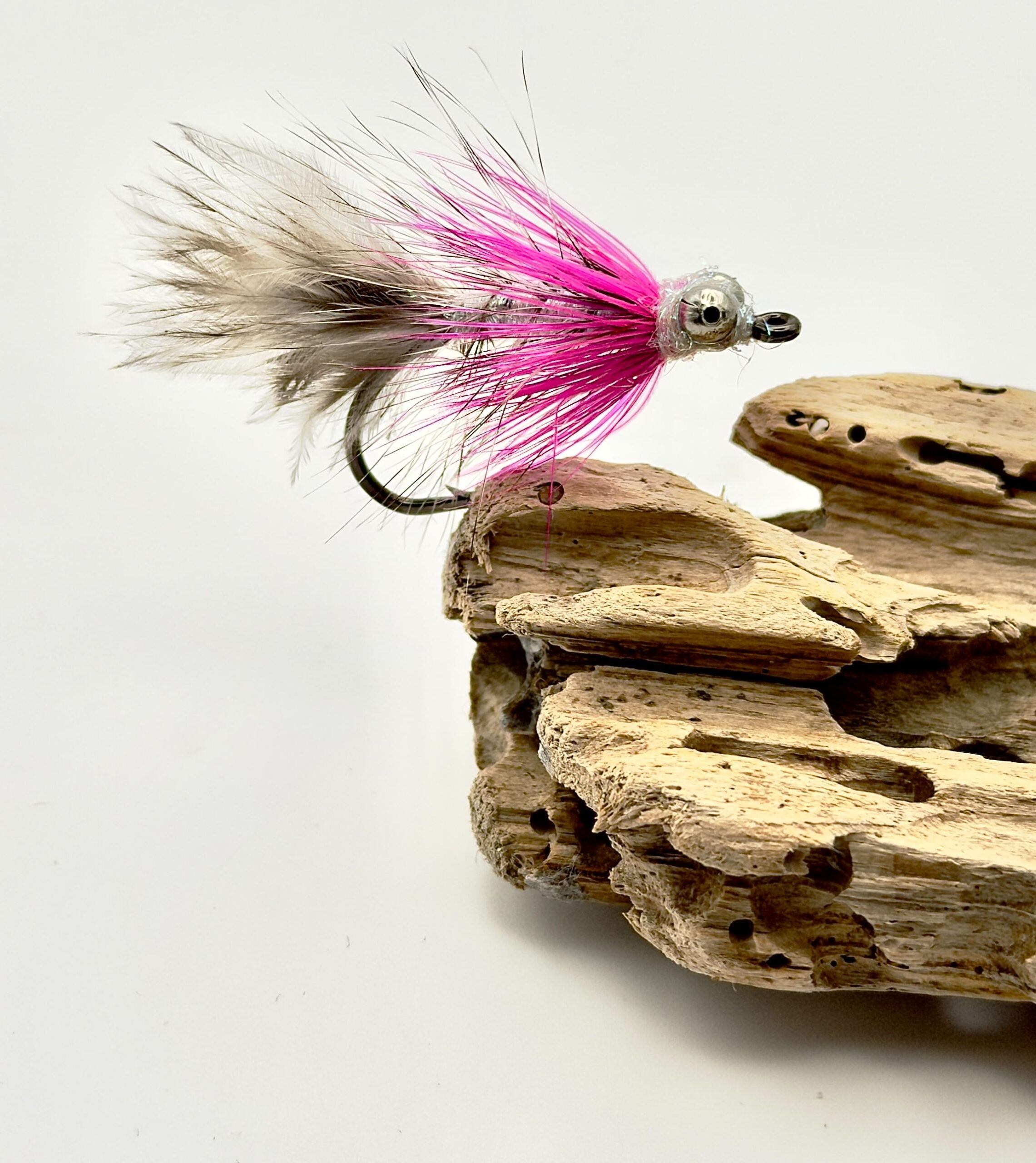
Polar Magnus #6 Saltwater is a legendary Scandinavian sea trout fly designed by Claus Eriksen. A proven shrimp imitation and a must-have coastal fishing pattern in Scandinavia, it has been trusted by sea trout anglers since the 1990s.
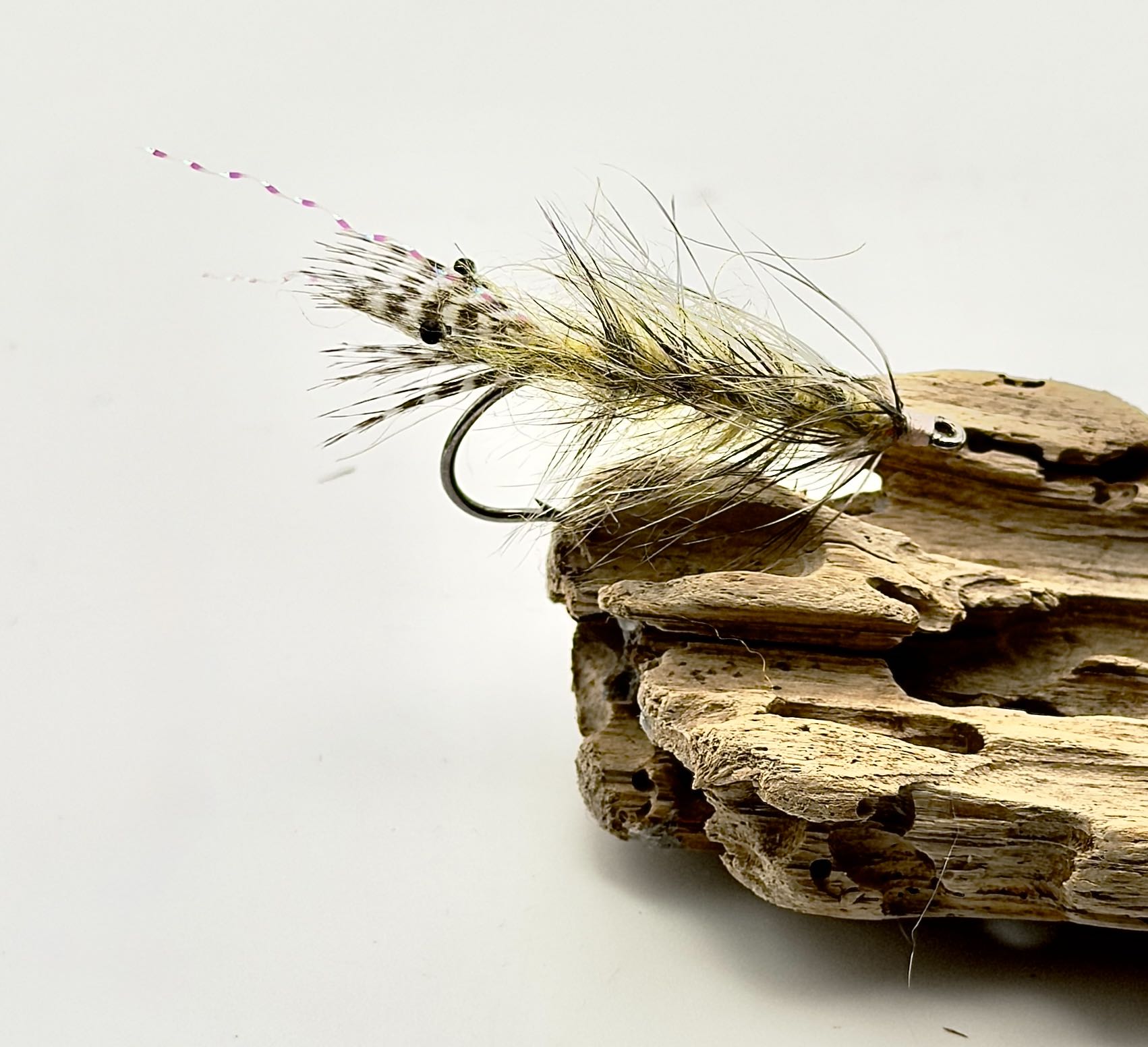
Grizzly Shrimp Tan #6 is a realistic shrimp pattern tied in natural tan shades that closely resemble many coastal shrimp species. This versatile sea trout fly offers lifelike movement, a subtle presentation, and year-round effectiveness.
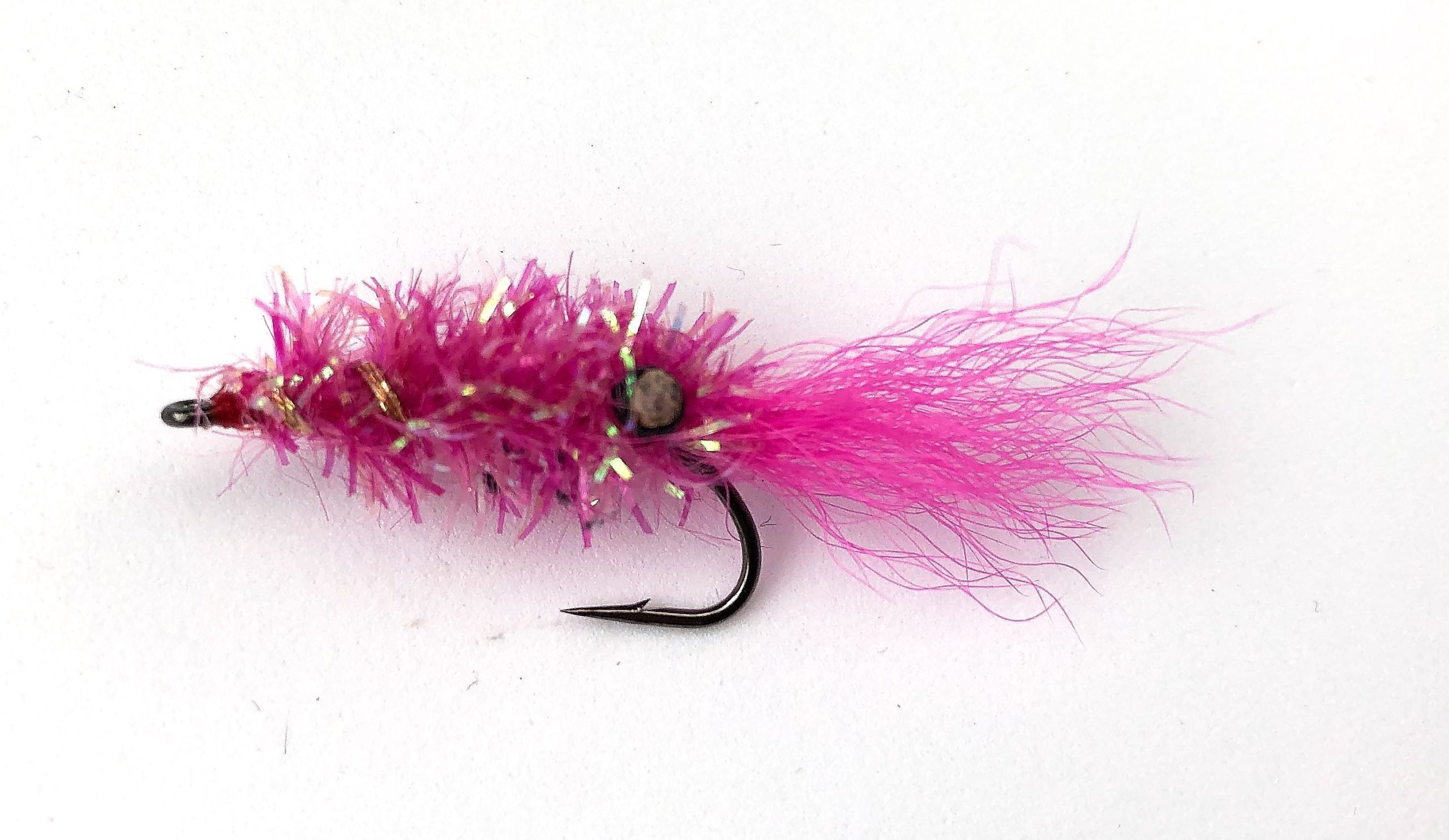
Glimmer Rejen (The sparkly shrimp) is another famous Danish sea trout fly used by every Danish sea trout angler when fishing in estuaries or directly from the coastline, especially during cold-water fishing. Here in # 6 –
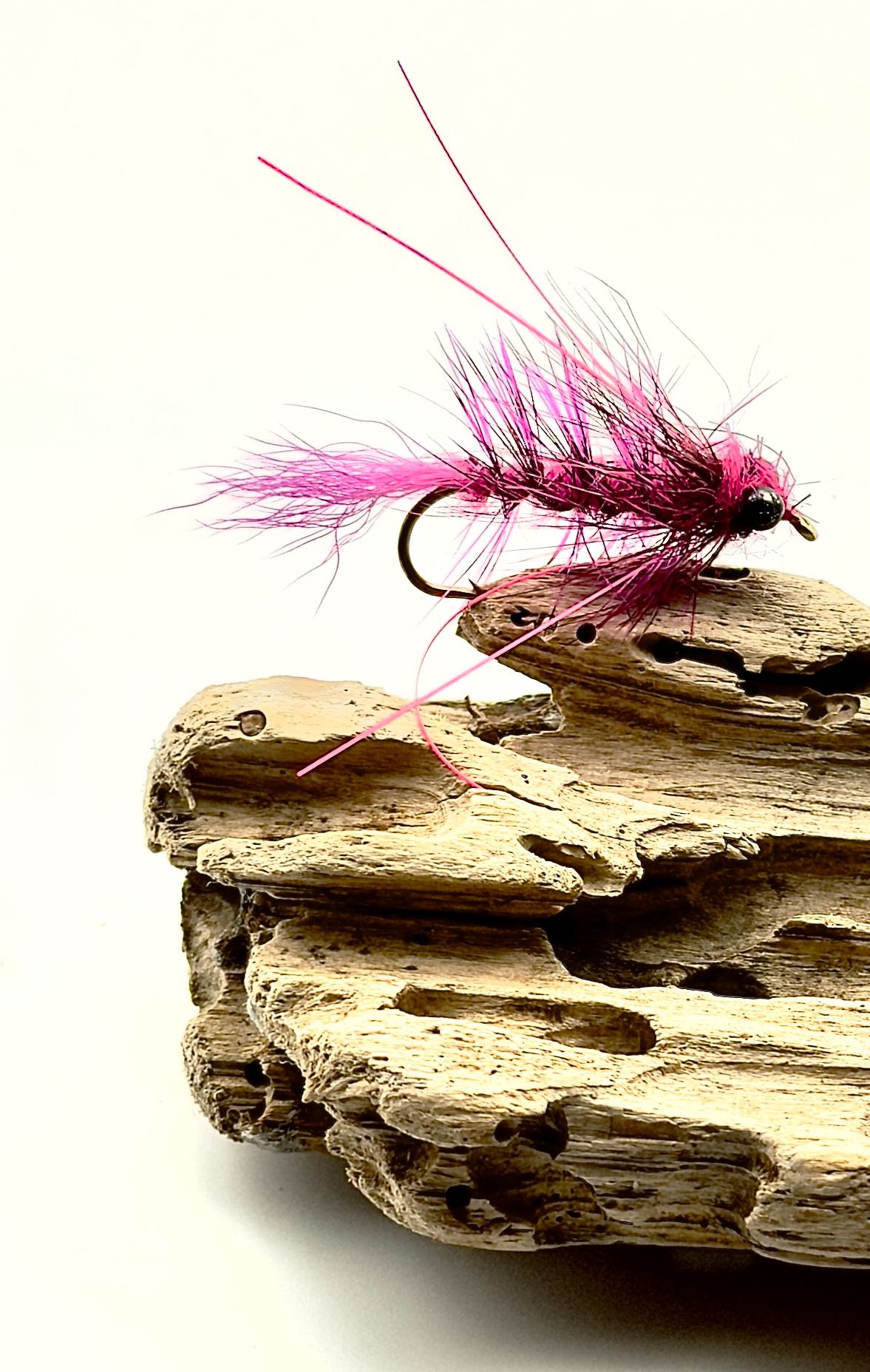
Candy Shot #8 combines the proven fish-catching power of pink with long, flowing tentacles and subtle details that create irresistible movement in the water. A versatile sea trout fly designed for Scandinavian coastal fishing.
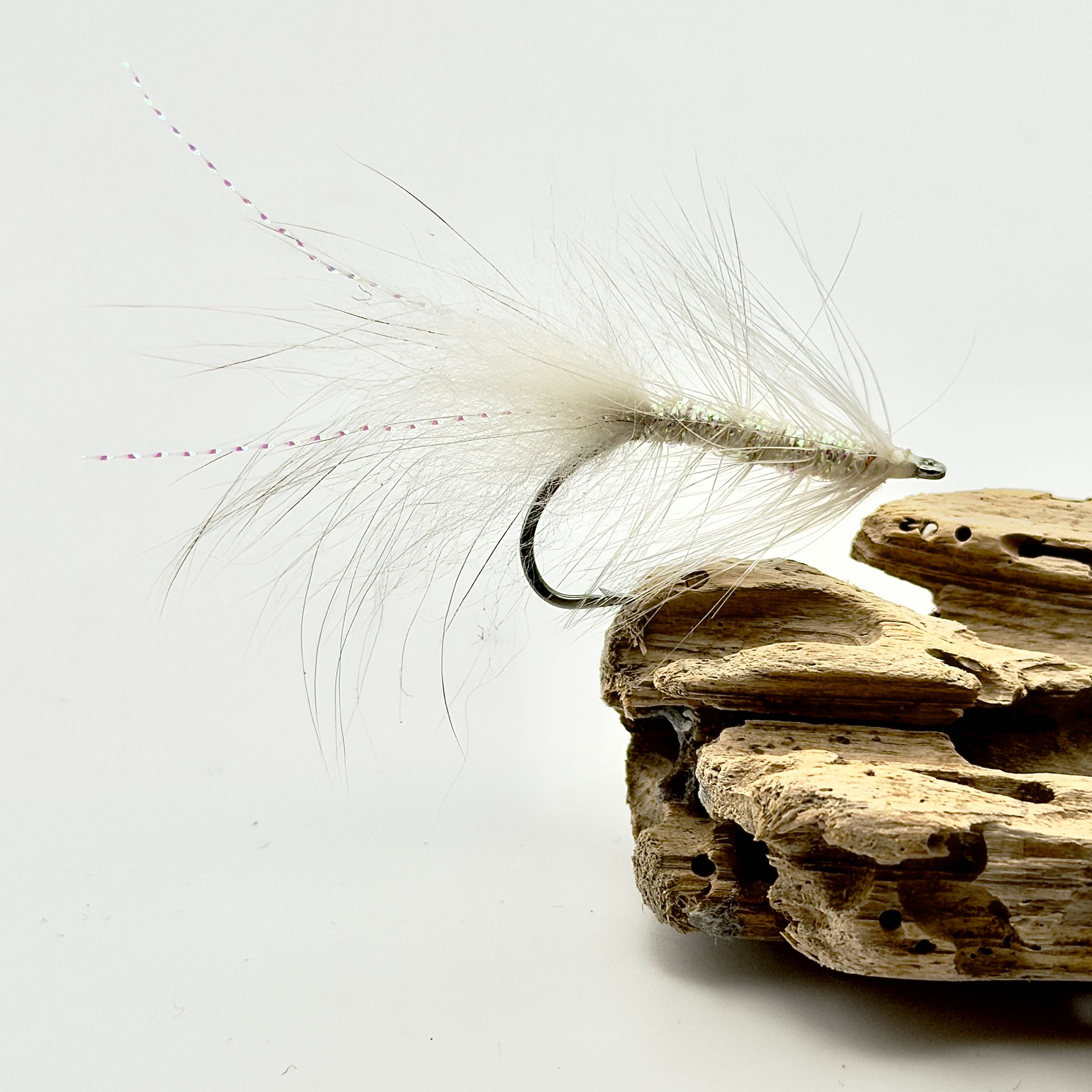
Den Hvide Ræv #6 is Fishmadman’s own interpretation of the classic white shrimp fly. Designed by Per Fischer, this highly effective pattern excels when sea trout become selective and conditions are challenging.
Write us
Thank you to everyone who has shared thoughts, experiences and ideas following our previous newsletters. We always enjoy hearing how you approach your fishing and the tackle you use.
This month, we’re looking at shooting heads, welded loops and a small modification that can make a surprisingly big difference.
Do you modify your own fly lines? Have you found ways to improve connections, or do you have thoughts on how modern shooting heads are designed?
We’d love to hear from you. Write to us at: fishmadman@gmail.com.
We’re always happy to connect, exchange ideas and compare notes.