
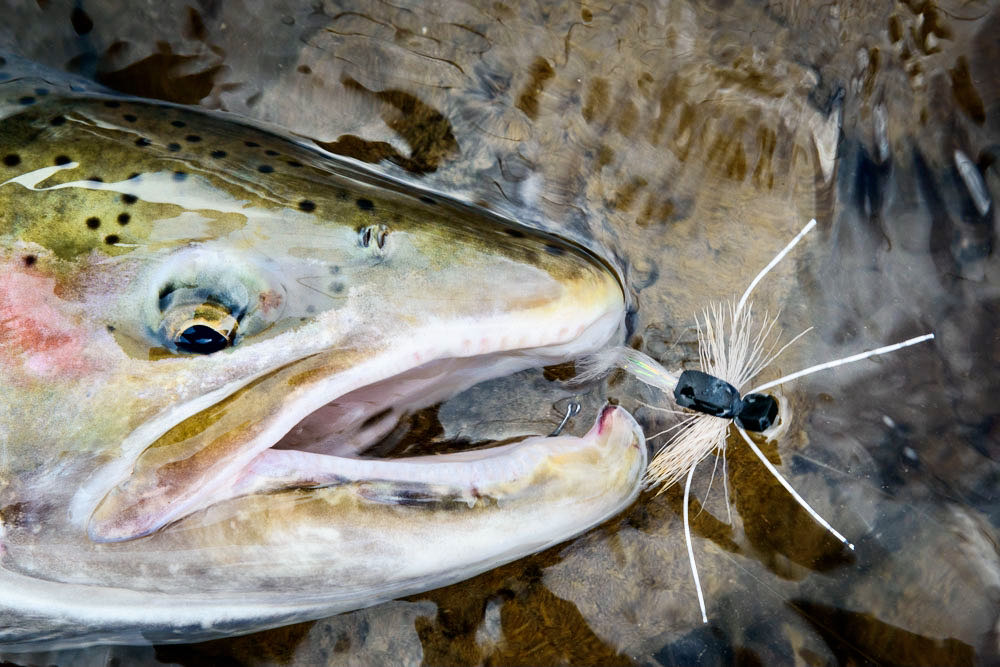
 Photo The Tube Skaopper with courtesy of Mr Adam Tavender © www.adamtavender.com
Wake fly or Riffling Hitch - what's the difference?
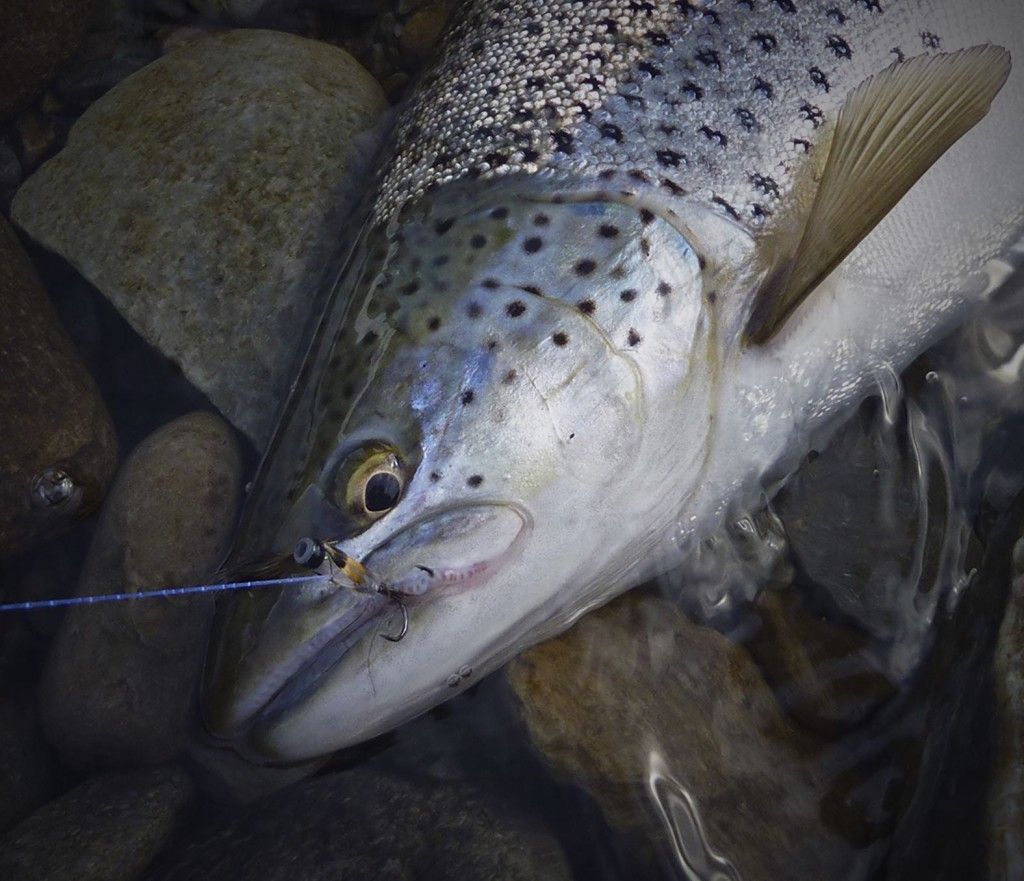 Skating flies and Riffling Hitch flies are both members of the wake-fly group – Flies designed to skate, glide and work in the flow of the water surface, but wake-flies are commonly associated with flies that make a significant wake or commotion in the surface – as opposed to the riffling hitch fly that makes a smaller wake and less commotion – this is not the black & white truth. The angler will naturally use wake flies, much like Riffling Hitch flies work and visa versa.
Wake-flies is commonly associated with flies that make a significant wake or commotion in the surface
The wake fly is associated with a large group of salmon and steelhead flies that is rooted in the surface hunting abilities of the Salmonidae family and the insects they eat.
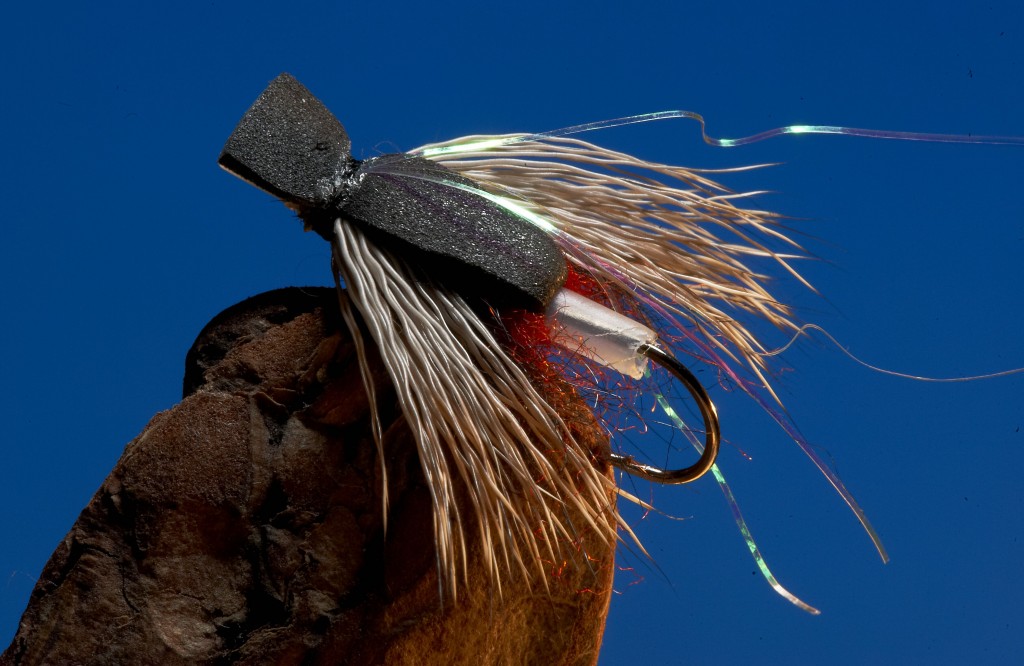
Photo: The super effective Steelhead Beetle wake fly, tied on a Fishmadman Hitch tube. Fly designed by Mr Rob Brown from Terrace in BC.
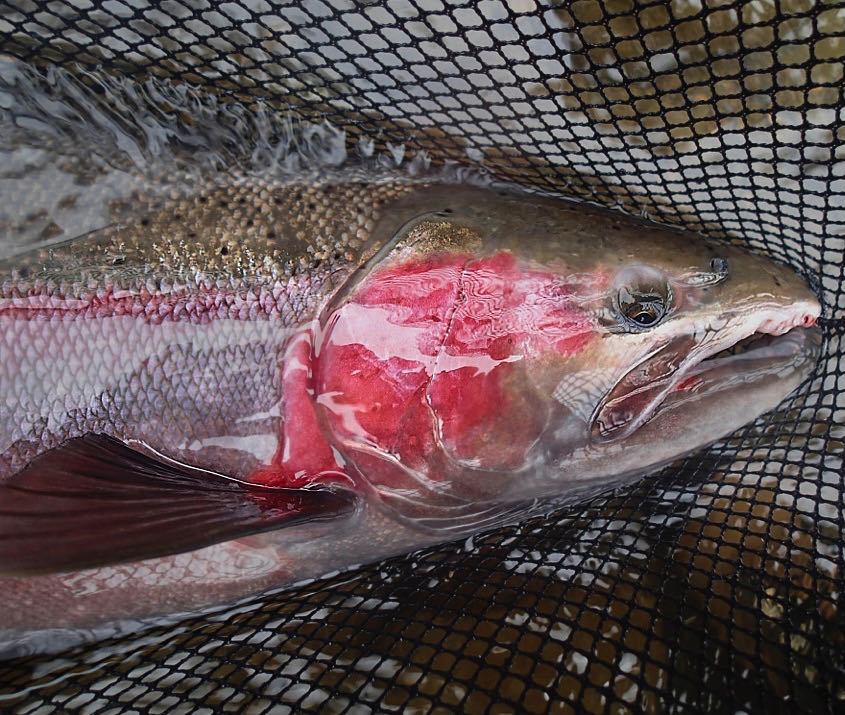
Go to our page on steelhead wake flies
What does a wake fly represent?
Juvenile steelhead and salmon find their food within the river system and have developed skills to detect and track the various groups of insects and other water animals. Some are found in great numbers, others when they occasionally visit the river.
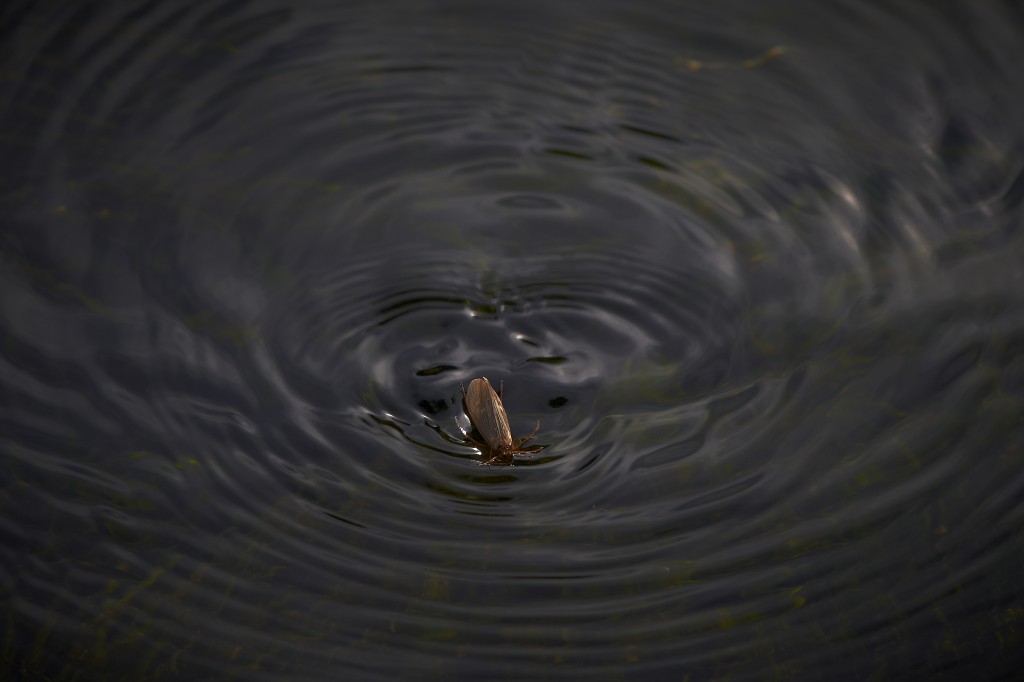
Right: a newly hatched Caddisfly is heading to safety on land.
It could be that some of these accidental visitors make wakes on the river surface – but it is foremost the inhabiting aquatic life that creates revealing wakes that get salmon & trout going. Both the Stonefly and Caddisfly is known to make wakes when they leave the river to become fully mature insects – and later again when they return to lay their eggs.
Other things that fall into the water
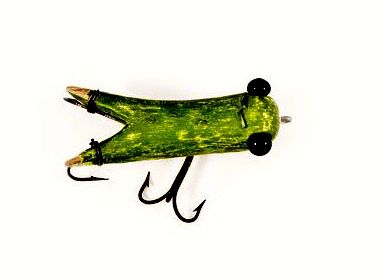
Other animals than insects attract attention from fish, and everyday anglers around the world will tie on surface bait made to resemble animals like rodents and frogs. US tackle makers like Heddon, and Paw Paw Bait Company have produced a long line of efficient bait for spinning and fly rods.
 The wake flies in European fishing history.
 The wake flies in European fishing history.
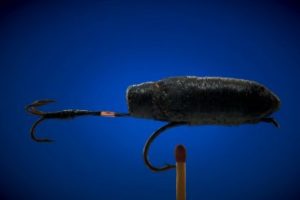
A 1960`s original Hugh Falkus Surface Lure. Made out of a 1.5-inch piece of cork. Bulky surface flies like this one was also fished just below the surface using a sink tip or intermediate line. Fly was then stripped in fast.
The first wake fly I learned of was a fly made by seatrout anglers in Wales, where I spend my summer holidays in the early 80s – an old sewin angler (Welsh for sea-trout) pulled a big and very filthy looking wake fly out of his fishing bag – The fly was made up of half a wine cork tied to a big single hook, other hooks connected to the wire was protruding from the cork – left and right – nothing more – The angler told me that the fly was so effective that it was banned on many rivers in Wales – Such wake flies was produced in many shades or rather shapes. The famed angler and author Mr Hugh Falkus helped popularize the use of the waking fly among seatrout anglers in the UK. In his book Sea Trout Fishing, he dedicated a whole chapter to this special and very productive sport.
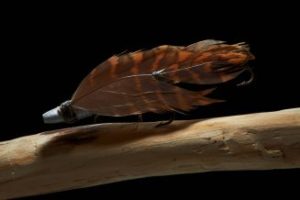 The Wake Lure from Hardy Brothers late 50`s early 60s This is the No. 1 Lure made with the shaft from a big feather
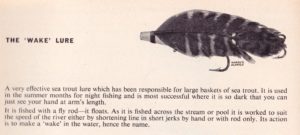
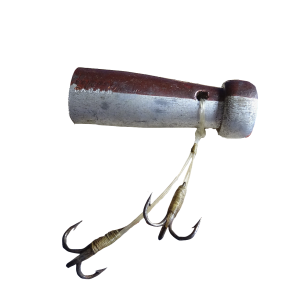 The rare Hardy No. 2 wake lure is made of wood with small protruding treble hooks. Today most wake lures will be made with closed-cell foam – simple, efficient flies.
A wake fly made for Danish sea trout
Fishing with a wake fly for seatrout is a nocturnal sport, and the general guideline is to keep the fly in the box until one cannot see one’s hand. Using it in those golden hours on warm summer nights when the fish was thrashing through the dark surface.
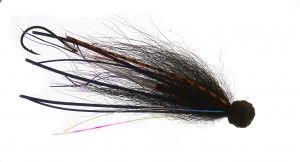 Even though night-time still considered to be the right time for surface lures, Danish anglers will use the wake fly during daytime and catch sea trout regularly –
Right: Black Dog Wake Fly from Fishmadman is tied and designed by sea-trout specialist Mr Dan Karby – who fish the Vejle River in Denmark where big sea-trout is plenty – and surface fishing with a big wake fly is a favoured sport – Fly 60 millimetre – Buy flies 
Sea trout in Argentina are surface feeders.
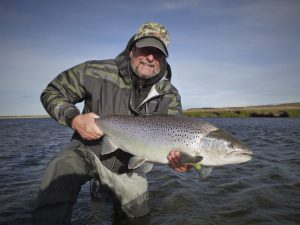 Sea trout (sea run brown trout) in the Argentinian rivers supposedly derive from strains of sea trout from European rivers brought to Argentina by British anglers – Sea trout in these southern rivers are just like their Northern ancestors very orientated on the surface and what goes on here. It is well worth the effort to swing wake flies on these fish.
Here it is, fly angler Mr Fracer C Heston, who fished the Rio Grande using our Flashback Bug wake to fly on floating lines in the calm of the morning.
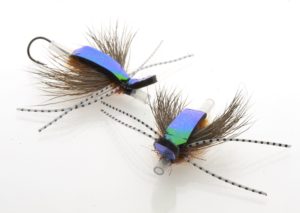
The Flashback Bug a Fishmadman wake fly pattern designed for steelhead rivers in the North West – but with great abilities on South American sea run brown trout (sea trout)
Buy flies
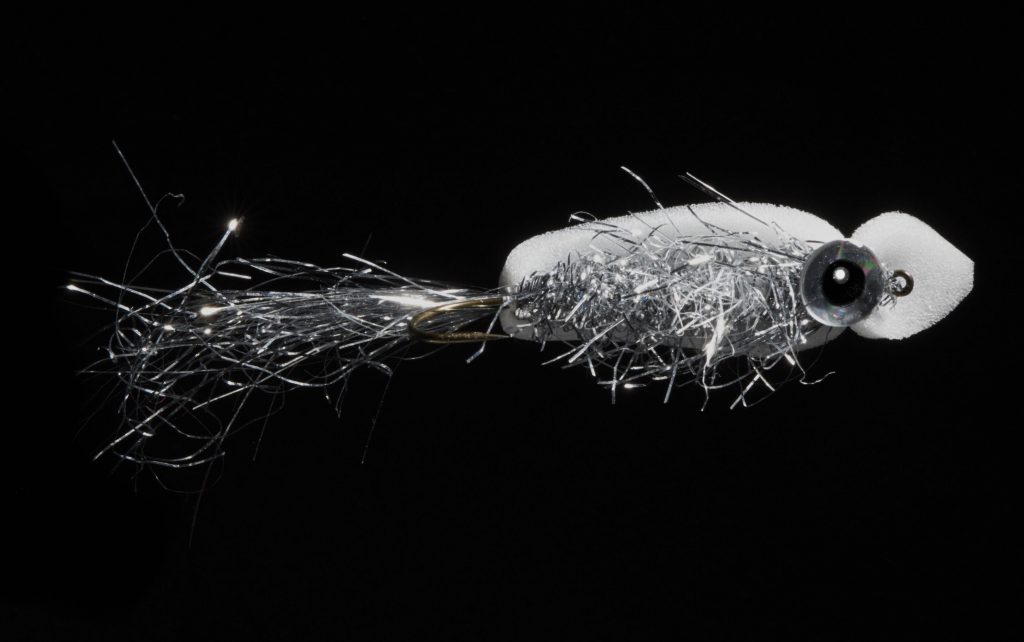
A Finish surface fly extraordinaire
Finish anglers are likely to be some of the most devoted and meticulous anglers found in Scandinavia. This applies to anglers spinning and trolling and fly fishermen, especially those fishing on the surface.
The Surffilauta 1995 (The Surfboard) is a famous Scandinavian wake fly from the hands of Finish fly-tier and author: Mr Pertti Kanerva. The fly is designed to skip on the surface with the big eye gazing downwards like a scarred fry…Please read about this highly specialized wake fly series in one of our newsletters.
 The wake fly godfather
 The wake fly godfather
Instead of cork or hollow shaft from feathers (the Calamus), fly tiers will use close cell foam for buoyancy on their wake fly the foam gives the fly tier the possibility of making light flies that float well. Another way of making a fly “push water” is by using deer hair in the fly design.
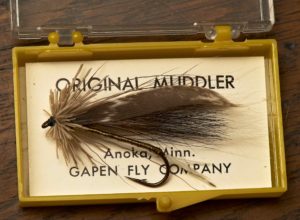
To the right: Original Muddler By Mr Don Gapen. This fly pattern from 1937 is probably one of the most versatile and efficient commotions flies ever tied.

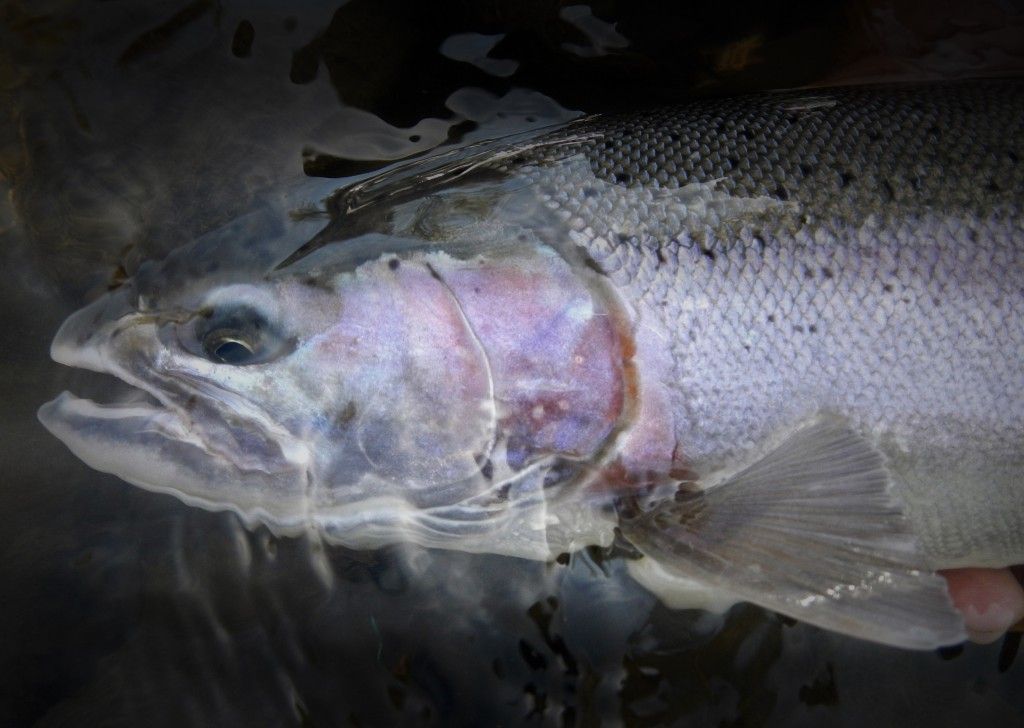
A tributary to the mighty Skeena river in BC – the holly grail of surface fishing for steelhead. Photo Mr. Loren Irving
 Steelhead on the surface
 Steelhead on the surface
 Wake flies made for steelhead.
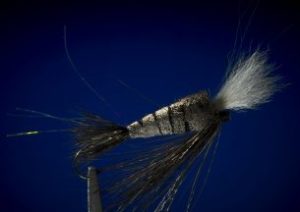 Wake flies made for steelhead.
Flies like the Waller Walker, Wag`s Walker, The Ska-opper Rusty Brown Bomber, and Grease Liner are synonymous with wake fly fishing, and we have dedicated another page here on Fishmadman to celebrate the many intriguing forms of these flies.
Left The Waller Walker – An icon in the world of wake fly designs. Originated by Mr Lani Waller. Here tied on a tube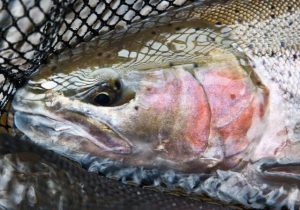 Go to our page on steelhead wake fly
 Atlantic salmon on Wake fly
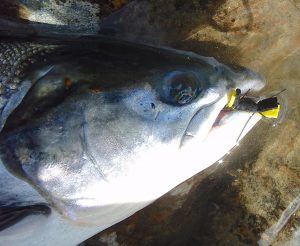 Atlantic salmon on Wake fly
The Atlantic salmon is not overly attracted to flies making big wakes – but will readily rise to slowly moving surface flies making diminutive wakes and a fly like the Chernobyl Ant with its rubber legs and low-key wake can have a powerful effect on Atlantic salmon.
Big Atlantic salmon caught on a Chernobyl Ant wake fly
See the Newsletter on Chernobyl ants on tube
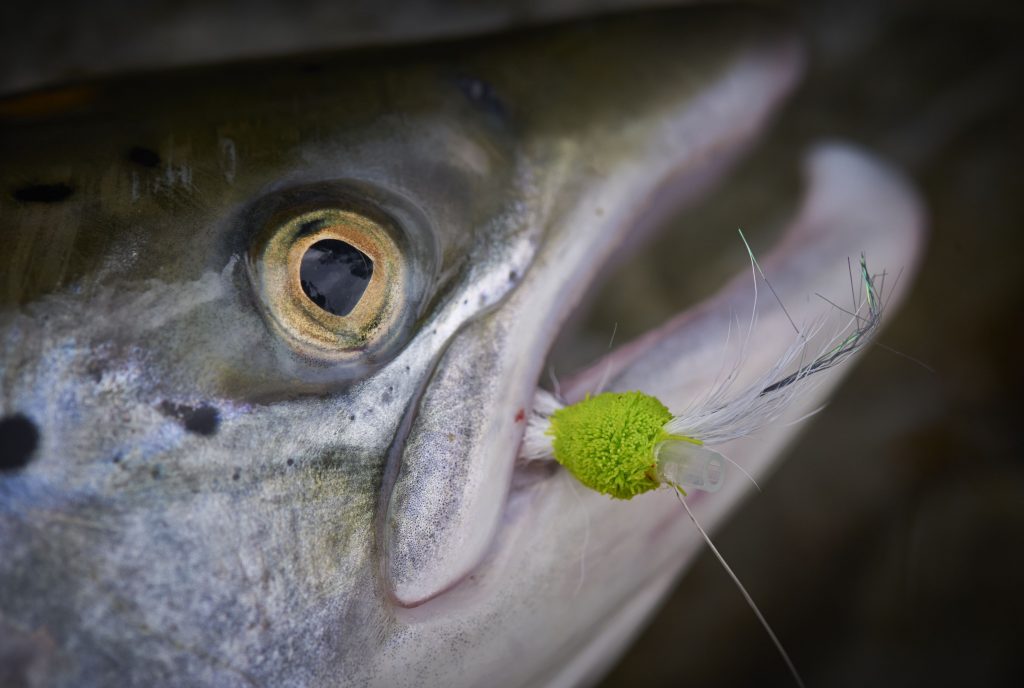
A diminutive Moose Turd fly… designed for Atlantic salmon
Anglers pursuing Atlantic Salmon with dry flies like the Bomber will often fish the fly at dead drift and not wake it as steelhead anglers would do – But small patterns of the Bomber can be efficient when waked, and we have designed miniature versions of the Moose Turd Bomber originated by Mr Bill McMillan – done on our Riffling Hitch Tube
See these miniature Moose Turd Bombers in the Fishmadman Shop
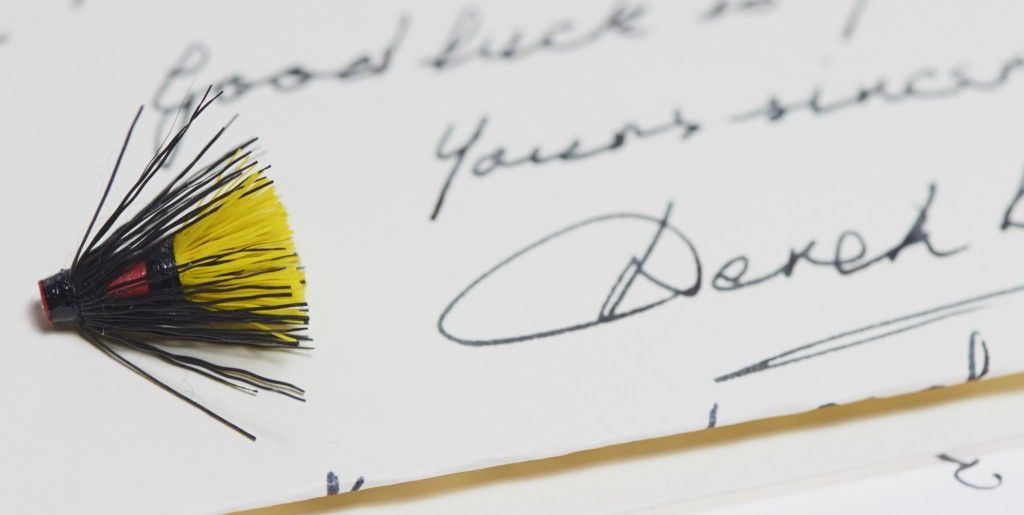
The Yellow Dolly, a unique salmon surface fly
The Yellow Dolly is one, if not the earliest, tube surface fly. It is the English low-water specialist Mr Derek Knowles who, in the 1980s, shows the European angling community the way to a new line of flies and tactics through his miniature Yellow Dolly flies. The Yellow Dolly flies were an inspiration source for European salmon anglers and spurred the development of many riffling hitch tube flies as we know them today.
Read more on the subject of Yellow Dolly in the Newsletter here
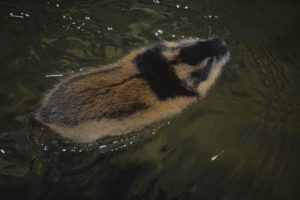
Trout will eat frogs and mice!
Resident trout and sea trout entering the river system have a weakness towards rodents – frogs and others that take a swim. I have on more than one occasion seen unlucky hairy critters being pulled out of the mouth of trout – Maybe the great effectiveness that big furry patterns have on trout – is down to the hairy taste of mice?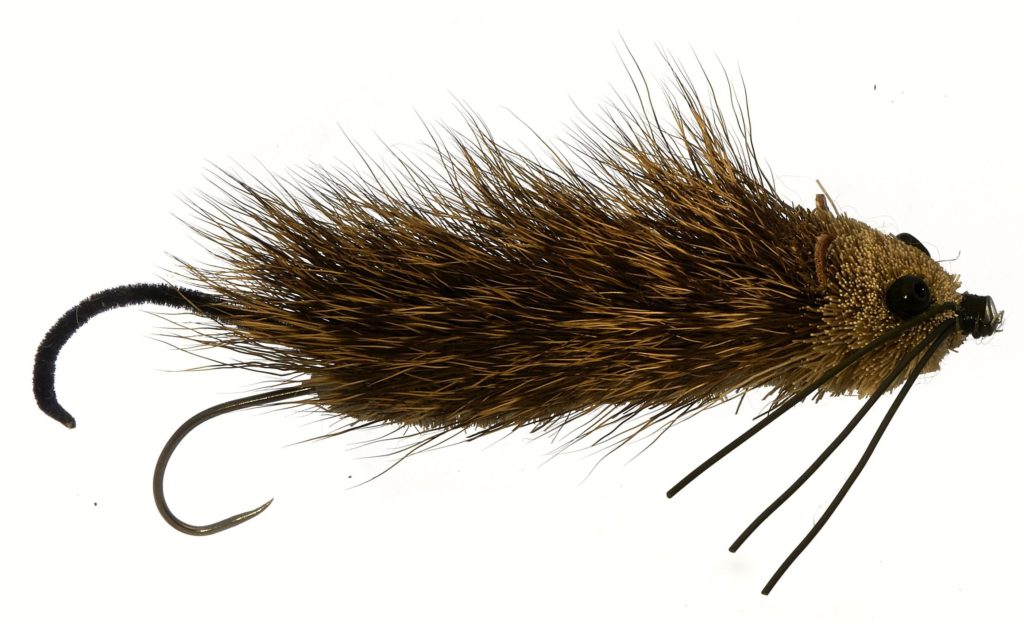
Big rodent flies are tied on a tube – Everything else is nutty
Fishmadman makes big mice flies tied on a tube – The ultimate wake fly if you’re targeting fish like Taimen, pike or greedy brown trout – doing flies like these on a tube is the obvious substitute to a huge long shank hook fly. See our many tube-rodent limitations here:
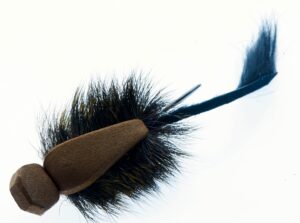
Another great rodent fly to be waked across the surface is the Morrish Mouse fly. Here, we have made this great pattern on a tube. The Morrish Mouse is a famous Canadian surface fly on rainbow trout originally devised by master fly tier and manager with Fly Water Travel. Mr Ken Morrish
See the Morrish Mouse on tube in our shop
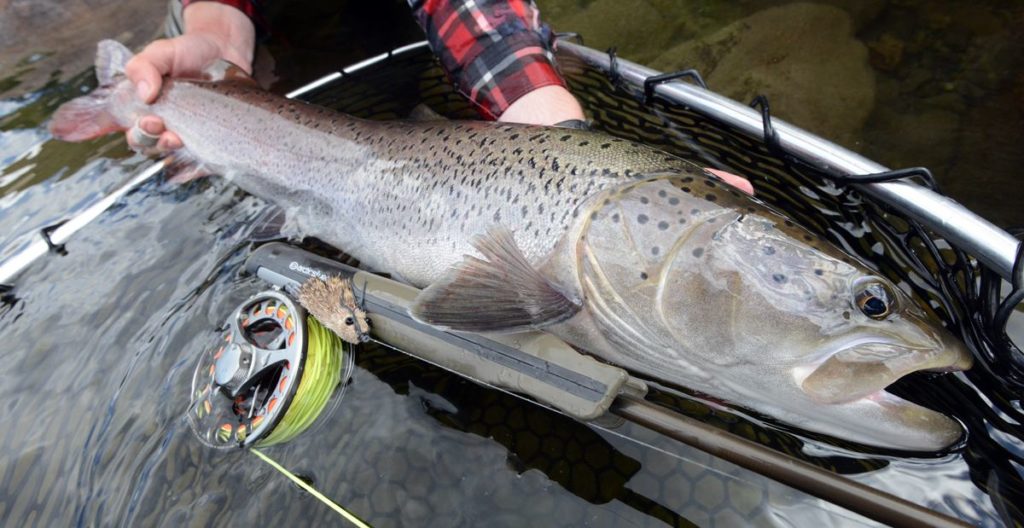
Big Taimen caught on our Tube-Rat ™ See the Tube Rats in our shop
 Surface fly for Arctic char
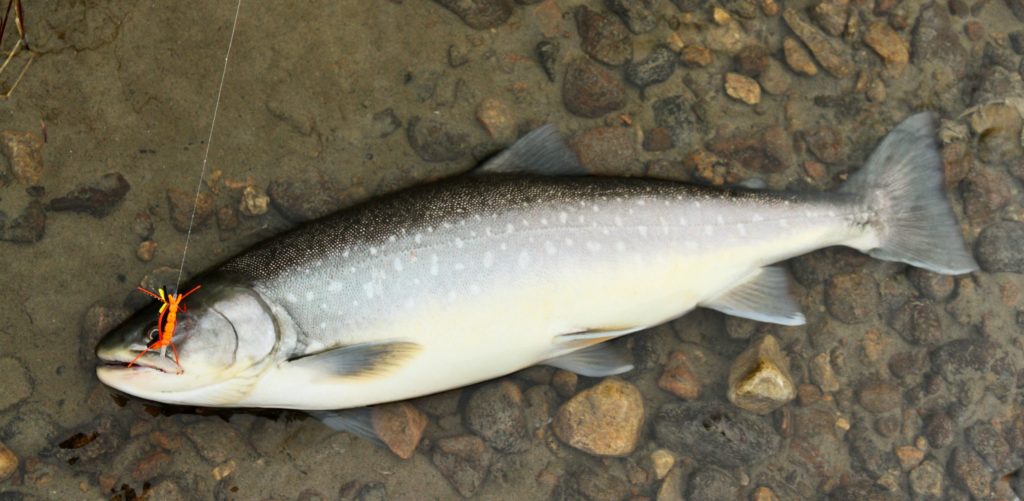 Surface fly for Arctic char
Arctic char might be best known for feeding on small dry flies and bugs, but despite this, they are curious fish that readily take even big wake flies in highly visible colures.
See our Chernobyl ant tube wake flies in our shop.
